Selling a damaged car is different from selling a clean, road-ready vehicle. A car with accident damage, mechanical problems or years of wear can still have value, but the price depends on what is left to use, repair or recycle.
You might look at a damaged car and think it is only worth its scrap metal. That is not always the case. The engine, transmission, panels, interior, wheels and other parts may still have value.
So, how do buyers work out what a damaged car is worth?
Here are seven factors that can affect the price of a damaged vehicle in Brisbane.
1. Make, Model and Year
The make, model and year are usually some of the first details considered. A popular vehicle can have stronger demand for replacement parts. If a particular model is common on Brisbane roads, there may be people looking for its engines, panels, lights, interior parts or other components.
The age of the vehicle also matters. An older car will usually have more depreciation, but that does not mean it has no value. A well-maintained engine, gearbox or other usable components can still contribute to the vehicle’s overall worth.
This is why two cars of the same age can receive different offers.
2. The Type and Severity of Damage
The damage itself can have a major effect on the price.
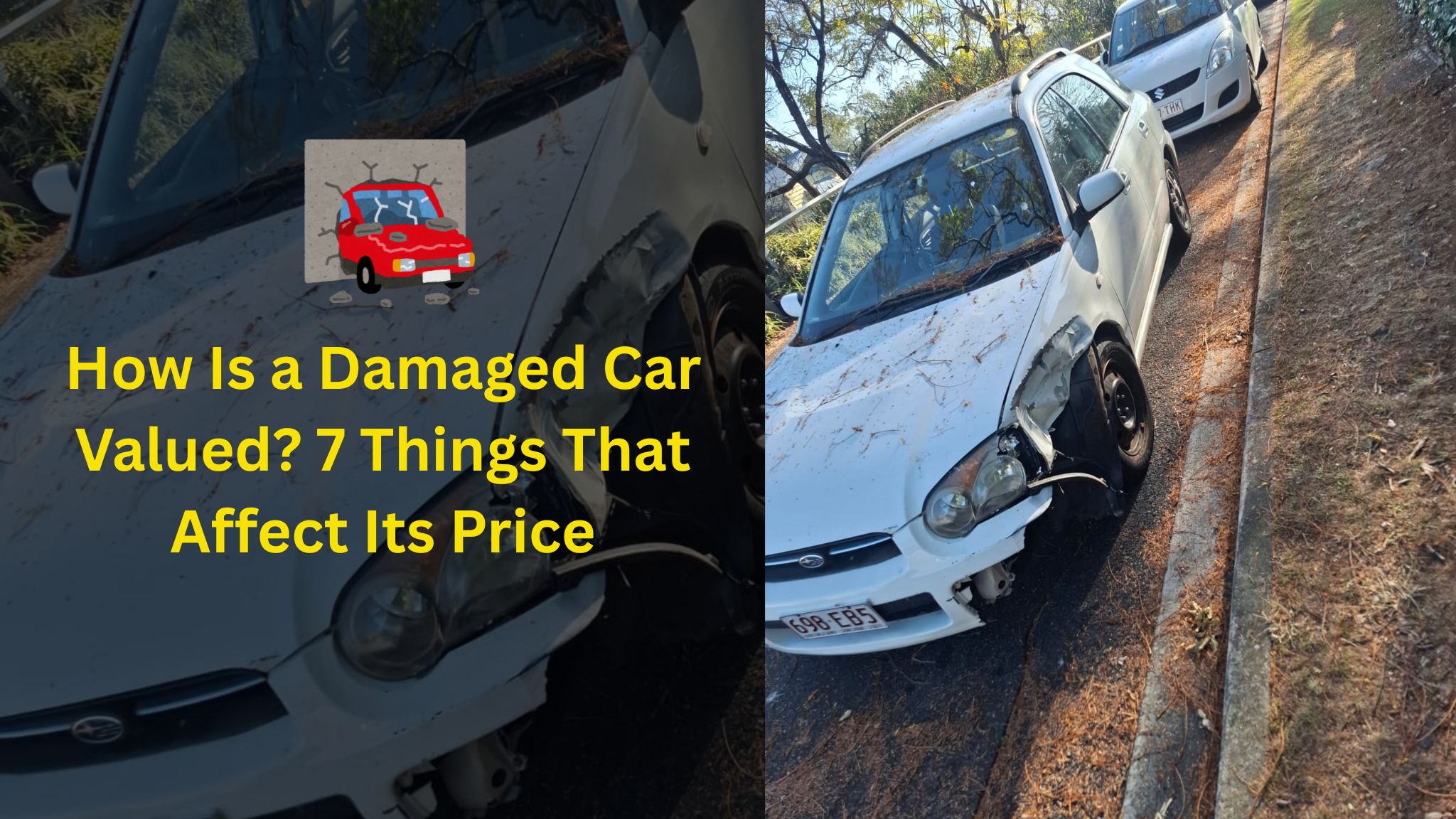
A car with a damaged bumper and bonnet is very different from one with serious structural damage. Mechanical, flood or fire damage can also change how the vehicle is assessed.
Common types of damage include:
- Front or rear accident damage
- Side-impact damage
- Engine problems
- Transmission failure
- Water or flood damage
- Fire damage
- Structural damage
- Missing or broken components
The location of the damage matters too. A vehicle can have significant body damage while its engine, gearbox and other components remain usable.
This is one reason damaged vehicles should be assessed based on their actual condition rather than appearance alone.
3. Engine and Mechanical Condition
A damaged car does not necessarily have a damaged engine.
For example, a vehicle involved in a front-end accident may have extensive body damage while the engine and transmission are still working. Those components can affect the vehicle’s overall value.
The opposite can also be true. A car with relatively minor body damage but a failed engine or transmission may require a different assessment.
When requesting a quote, it helps to be clear about whether the vehicle:
- Starts normally
- Runs but cannot be driven
- Has mechanical problems
- Has been sitting unused
- Has a failed engine or transmission
You do not always need to repair these problems before getting an assessment. If repairs are expensive, it may be worth finding out what the car is worth in its current condition first.
4. Condition of Usable Parts
A damaged vehicle can still contain plenty of useful parts.
Depending on the make, model and condition, these may include:
- Engine components
- Gearbox and transmission parts
- Wheels and tyres
- Doors and panels
- Headlights and tail lights
- Interior components
- Electrical parts
- Suspension components
- Cooling system parts
For example, a car with heavy damage to one side may still have undamaged parts on the other side.
This is where a professional car wreckers in Brisbane service can play a role. Vehicles can be assessed for parts that may be suitable for reuse before the remaining materials are processed for recycling.
5. Mileage and General Wear
Mileage is another part of the valuation, but it is not the only thing that matters.
A vehicle with lower kilometres may have less wear on some components. A high-mileage car can still have value if important parts remain in reasonable condition.
Other things that may be considered include:
- Interior condition
- Tyres and wheels
- Rust
- Previous repairs
- General maintenance
- Condition of major mechanical components
For a damaged vehicle, mileage needs to be looked at alongside the condition of the car as a whole.
6. Demand for the Vehicle and Its Parts
Supply and demand can also influence what a damaged vehicle is worth.
Some makes and models have a large number of vehicles on the road, which can create ongoing demand for replacement parts. Other vehicles may have fewer buyers looking for their components.
The type of vehicle can make a difference too. Utes, SUVs, commercial vehicles and popular passenger cars can have different markets for their parts.
This means there is no standard price for every damaged car. The same type of damage on two different vehicles can produce different results.
7. Scrap and Recycling Value
When a vehicle is too damaged or old to make financial sense as a repair project, its recyclable materials can still have value.
Cars contain large amounts of metal along with other materials that can be recovered during appropriate recycling and dismantling processes.
However, scrap value is only one part of the picture.
A damaged vehicle may have a combination of:
- Reusable parts
- Repairable components
- Metal and recyclable materials
- Wheels and tyres
- Other recoverable items
The overall assessment can therefore depend on what can realistically be recovered from that particular vehicle.
Should You Repair the Car Before Selling It?
This is a question many damaged-car owners face.
Repairing a vehicle may seem like the obvious way to increase its value, but the numbers do not always work out. If an older car needs several thousand dollars in repairs, you could spend more on repairs than the increase in its eventual selling price.
Before paying for major work, consider:
Expected repair cost + other selling costs vs. the likely value of the repaired vehicle.
Getting an assessment in the car’s current condition can give you another figure to compare with the repair quote.
This can be particularly useful for older cars, heavily damaged vehicles and cars with major mechanical problems.
What Information Helps With a Damaged Car Valuation?
If you want an initial idea of what your car may be worth, have some basic information ready.
This can include:
- Make and model
- Year
- Approximate kilometres
- Registration status
- Vehicle location
- Running condition
- Details of the damage
- Clear photos of the vehicle
Photos can be especially useful when the vehicle has accident damage. Showing the exterior, interior and damaged areas gives a clearer picture of the vehicle’s current condition.
For Brisbane owners considering different ways to sell an unwanted or damaged vehicle, a cash for cars service in Brisbane can be one option to compare with repairing the car or advertising it privately.
Every Damaged Car Is Different
There is no single formula that gives every damaged car the same price.
Its make and model, age, damage, mechanical condition, mileage, usable parts, current demand and recyclable materials can all affect the final assessment.
The important thing is to look at the vehicle as a whole rather than assuming that visible damage makes it worthless.
If your car has been damaged in an accident, stopped running, become too expensive to repair or simply reached the end of its useful life, getting an assessment before spending money on repairs can help you understand your options.
Onyx Cash For Cars buys vehicles in a range of conditions across Brisbane and can assess old, damaged, unwanted, unregistered and non-running cars.
If you are considering selling your vehicle, provide the details of its condition and compare the available options before deciding what to do with it.