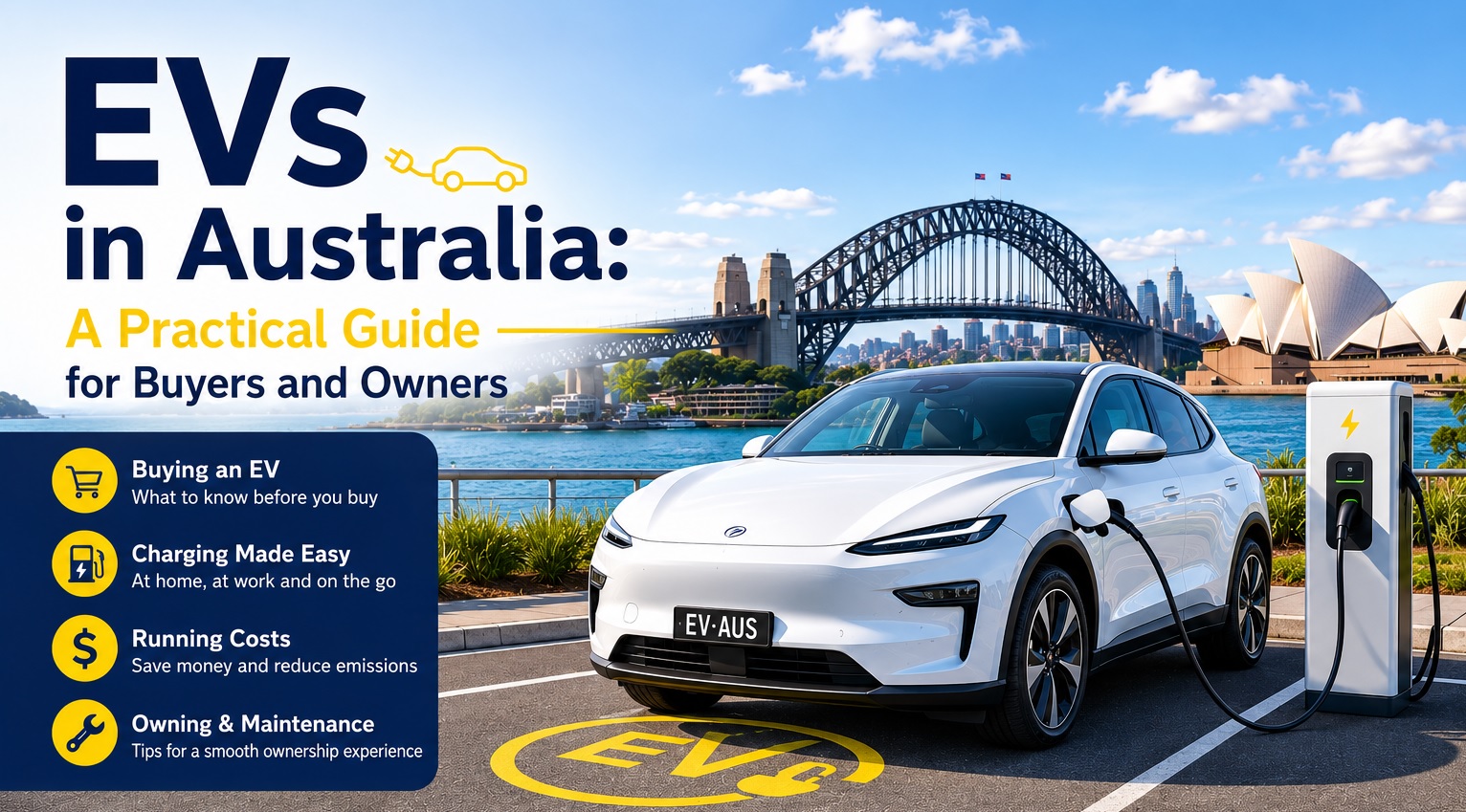
Electric vehicles (EVs) are no longer a niche option in Australia. With rising fuel prices, improving charging infrastructure, and a growing range of affordable models, more Australians are considering making the switch. Whether you’re thinking about buying your first EV or already own one, understanding the practical aspects of electric vehicle ownership can help you make informed decisions and get the most value from your investment.
Why More Australians Are Choosing EVs
The popularity of electric vehicles continues to grow across Australia. Unlike traditional petrol and diesel vehicles, EVs use electric motors powered by rechargeable batteries. This means lower running costs, reduced maintenance requirements, and zero tailpipe emissions.
For many drivers, the biggest advantage is the savings on fuel. Charging an EV at home is often significantly cheaper than filling up a petrol vehicle. In addition, EVs have fewer moving parts, reducing the likelihood of costly mechanical repairs over time.
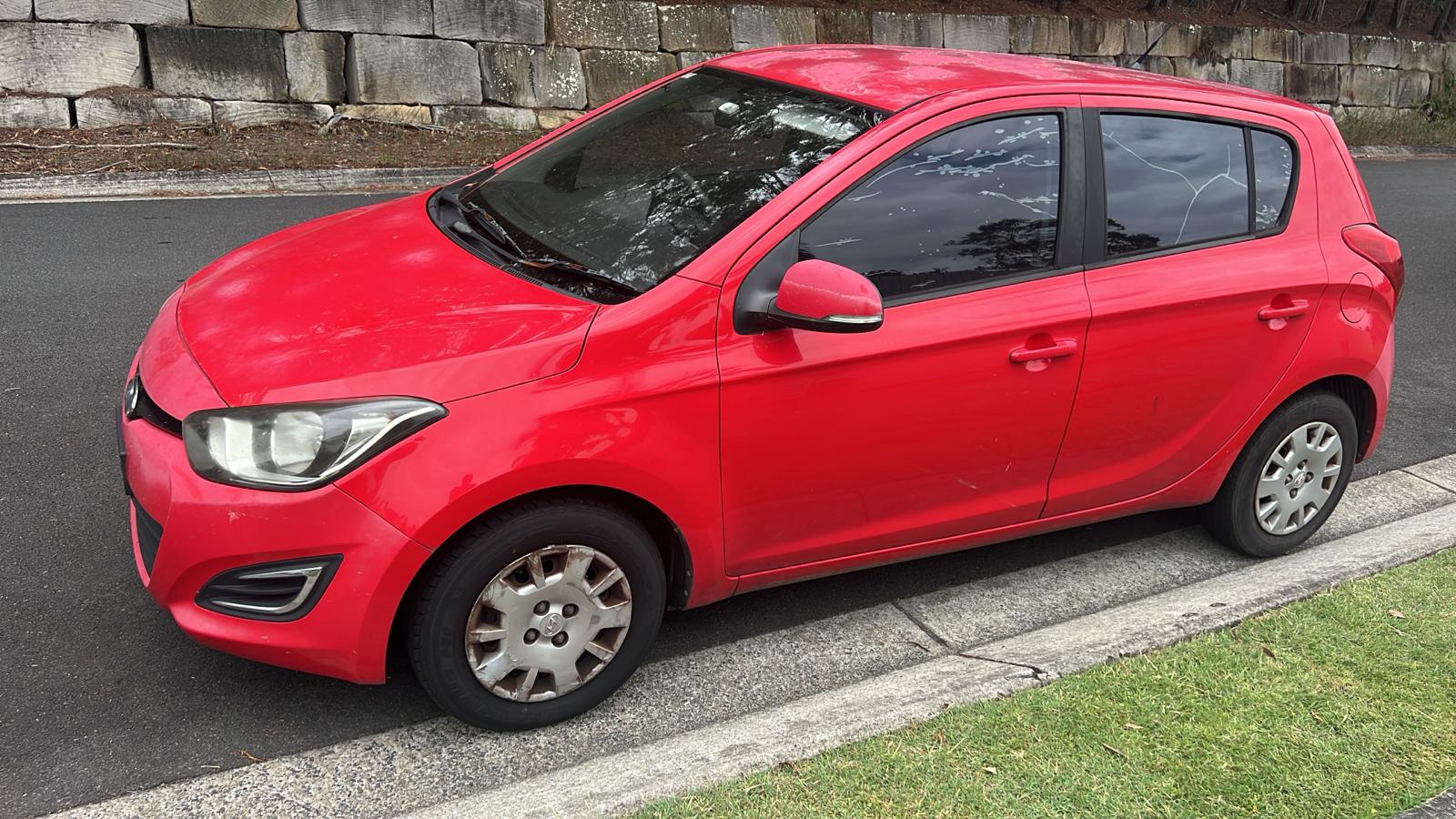
If you’re currently driving an ageing vehicle and considering an upgrade, it may be worth exploring your options to sell your old car for cash before making the switch.
What to Consider Before Buying an EV
Before purchasing an electric vehicle, it’s important to assess your driving habits and lifestyle.
Daily Driving Distance
Most modern EVs offer driving ranges between 300 and 600 kilometres on a single charge. If your daily commute is relatively short, range anxiety is unlikely to be an issue. However, drivers who frequently travel long distances should research available charging stations along their regular routes.
Home Charging Options
Having access to home charging can make EV ownership far more convenient. A standard power outlet can charge an EV, but installing a dedicated wall charger significantly reduces charging times.
Purchase Price and Incentives
Although EVs generally cost more upfront than comparable petrol vehicles, lower running costs can offset the initial investment over time. Several Australian states have also introduced incentives and rebates to encourage EV adoption.
Understanding EV Maintenance
One common misconception is that electric vehicles require the same level of maintenance as conventional cars. In reality, EVs are often simpler and cheaper to maintain.
There are no engine oil changes, spark plugs, timing belts, or exhaust systems to worry about. However, owners should still regularly inspect tyres, brakes, battery health, and suspension components.
If an EV eventually reaches the end of its lifespan, responsible vehicle recycling becomes increasingly important. Australia’s automotive recycling industry continues to play a key role in reducing waste and recovering valuable materials from retired vehicles. For more information, read our guide on Eco-Friendly Car Wrecking in Brisbane: What Happens to Your Vehicle?
Charging Infrastructure in Australia
Australia’s charging network has expanded rapidly in recent years. Public charging stations are now available in major cities, regional centres, shopping precincts, and along key highways.
There are generally three charging options available:
- Home charging
- Destination charging
- Fast public charging
Home charging remains the most economical option for most EV owners. Fast chargers are particularly useful for long-distance travel and can add substantial range in a relatively short period.
As charging infrastructure continues to improve, owning an EV becomes increasingly practical for Australian households.
Battery Life and Replacement
Battery technology has advanced significantly, and modern EV batteries are designed to last many years. Most manufacturers offer battery warranties ranging from eight to ten years. Battery degradation does occur over time, but it is generally gradual. Factors such as charging habits, climate conditions, and driving patterns can influence long-term battery performance. For owners planning to keep their EV for an extended period, following manufacturer recommendations can help maximise battery lifespan.
What Happens When an EV Reaches the End of Its Life?
Eventually, every vehicle reaches a point where repairs become uneconomical.
When an electric vehicle reaches the end of its usable life, responsible disposal and recycling become increasingly important.
Many vehicle components can be recovered and reused, including:
- Metals
- Electronic systems
- Batteries
- Plastics
- Glass
Australia’s automotive recycling industry plays an important role in reducing waste and recovering valuable materials that would otherwise end up in landfill.
If an EV or conventional vehicle is no longer roadworthy, professional car removal and recycling services can help ensure environmentally responsible disposal.
Is an EV Right for You?
Electric vehicles offer numerous advantages, including lower operating costs, reduced maintenance requirements, and a more environmentally conscious driving experience. However, the right choice depends on your driving needs, budget, and access to charging facilities. For many Australians, the transition to electric mobility is becoming easier each year as vehicle options expand and charging networks improve. Taking the time to research available models, ownership costs, and charging solutions will help ensure you make the right decision. Whether you’re planning to purchase an EV or eventually upgrade from one, understanding the full ownership journey is essential. And when it’s time to sell an older vehicle, services such as Car wrecking and Sell Salvage Car can provide a convenient solution.